
Education at the Policy Forefront
What Arizona and Florida’s 2026 legislative sessions mean for student success
As the 2026 legislative sessions commence in Arizona and Florida, the stakes for education have never been higher. In a year marked by budget uncertainties, shifting political landscapes, and national debates on issues from inflation to artificial intelligence, it is critical that education remains at the center of policy discussions as it builds the foundation for individual and community prosperity.
Arizona: Investing in Literacy and Dual Enrollment
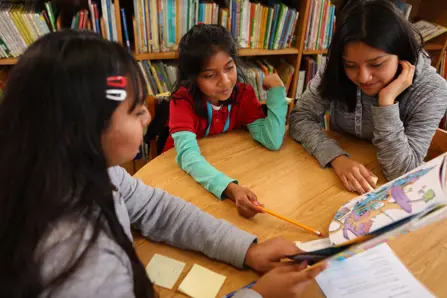 In Arizona, the ongoing debate over Empowerment Scholarship Accounts continues to dominate headlines and budget negotiations. Yet, beneath the surface, two critical issues demand attention and support: early literacy and dual enrollment funding.
We’re working to support a $2.1 million investment in early literacy coaches - a step that would move Arizona further toward the goals outlined in the evidence-based AZ 2030 Plan launched last summer. Currently, the Arizona Department of Education supports 34 literacy coaches serving preschool through third-grade classrooms in communities with the greatest need. With additional funding, that number would increase by about 30. This investment is not just a line item; it is a commitment to providing students with the foundational skills needed for lifelong success.
Mississippi’s experience reflects what is possible. After implementing major literacy reforms, including deploying 75 literacy coaches to its lowest-performing schools, the state’s students saw dramatic gains in reading. Their fourth-grade reading scores jumped from near the bottom to ranking among the nation’s top states. Arizona’s phased-in literacy plan was inspired by these gains but has stalled due to lack of sustained funding to scale effective efforts like other states, resulting in declining third-grade reading scores. Now is the time for Arizona’s leaders to renew their commitment and ensure every child has access to high-quality literacy instruction.
Equally vital is the continuation of $1.5 million in dual enrollment funding, which would help students pay for college-level courses while in high school. Our research shows that dual enrollment not only makes content more relevant but also doubles the likelihood of students pursuing education beyond high school, saving families money. This modest statewide investment can profoundly impact students’ futures, making college more accessible and attainable for all.
Florida: Tackling Chronic Absence and Supporting Postsecondary Success
 Florida’s session opens with a focus on property tax and insurance reform, but education remains a top priority, especially the issue of chronic absence. Our ongoing data and research efforts show that if students are not in school, they fall behind and that directly affects their long-term success. Chronic absence, defined as missing 10% or more of the school year, is a multifaceted problem requiring state, local, and community solutions. We are actively supporting local school districts in Hillsborough, Pinellas, and Orange counties as they develop tailored action plans, while advocating for consistent statewide definitions and guidance.
We also continue to support the broader postsecondary education landscape by underscoring the economic impact of Florida’s College System. Our recent research brief shows the system contributed more than $56 billion to the state’s economy in 2023-24, highlighting the importance of sustained investment in postsecondary education. As proposals emerge from early education to workforce development, we will monitor the potential benefits and how we can best engage.
Investing in Education Matters
Education is the engine of opportunity and has the power to transform lives. As Arizona and Florida lawmakers debate budgets and policy reforms, we urge them to look beyond the headlines and invest in what truly matters: literacy, college access, and keeping students engaged in learning. These are not just state issues—they are national imperatives. We will continue to champion these causes, working alongside partners and communities to ensure every student has the chance to succeed.
Let’s keep education at the forefront this legislative session and always.
Helios Resources:
Learn more from our research on dual enrollment, chronic absence and more: